Specialised Products
View our Specialised Products below
IRP Fire & Safety comprises a dedicated team of professionals responsible for the design, supply and commissioning of products that are not standard inventory items but are dedicated to the relevant industry. We work with our suppliers around the world and with our in-house team of specialists to recommend the right product and service mix to give the best solution to our clients’ challenges. These are specially ordered for every customer’s requirements, and we take pride in the solutions that we offer.
Air Quality
Ecom Combustion Gas Analyser
Ecom combustion gas analysers are precision instruments designed for measuring and analysing flue gases from industrial, commercial, and residential combustion systems. Built for accuracy, durability, and field-use efficiency, Ecom analysers provide real-time data on burner performance, fuel efficiency, emissions quality, and regulatory compliance. These units combine robust sensor technology with intuitive interfaces, ensuring technicians and engineers can detect issues quickly, optimize system performance, and maintain environmental standards.
Types of Ecom Analysers
The General classification of the main Ecom models typically available in the industry:
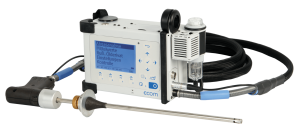
- Portable Combustion Gas Analysers
Compact, rugged, and easy to carry, used for routine field testing.
- Ecom-D, Ecom-CL, Ecom-EN2, Ecom-UNO, Ecom-J2KN Pro Easy
- Ideal for technicians who need quick, reliable measurements.
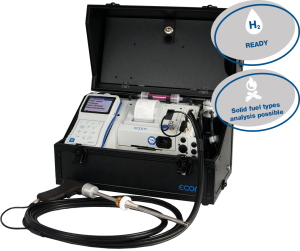
- Semi-Portable / Heavy-Duty Industrial Analysers
Larger, more advanced units with extended sensor options and heavy-duty pumps.
- Ecom-J2KN, Ecom-J2KN Pro Tech
- Used for long testing periods or more demanding industrial environments.
- Continuous Emissions Monitoring (CEMS) Options
Some Ecom units can be integrated with stationary installations to collect long-term emissions data.
- Suitable for industries that need consistent tracking or compliance reporting.
- Multi-Gas Configurations
Depending on the model, sensors can measure:
- O₂ (Oxygen)
- CO (Carbon Monoxide)
- NO / NO₂ (Nitric Oxide / Nitrogen Dioxide)
- SO₂ (Sulfur Dioxide)
- CO₂ (calculated or measured)
- H₂S (Hydrogen Sulfide – optional)
- Temperature, draft, pressure, stack efficiency, and excess air
Applications
Ecom analysers are used across a wide range of industries and combustion systems:
- Industrial Combustion Systems
- Boilers
- Furnaces
- Kilns
- Process heaters
- Gas turbines
- CHP systems
- Commercial Equipment Testing
- Commercial boilers
- Burners
- HVAC systems
- Water heaters
- Emissions Monitoring & Compliance
- Environmental testing
- Stack emissions assessment
- Local regulatory compliance reporting
- Maintenance & Optimization
- Combustion efficiency tuning
- Troubleshooting burner performance
- Fuel cost optimization
- Preventive maintenance for industrial clients
- Specialty Sectors
- Petrochemical & refining
- Power generation
- Manufacturing plants
- Food processing
- Cement plants
- Waste-to-energy facilities
Gasmet Gas Analysers
Gasmet is a leading manufacturer of advanced gas analysis systems designed for accurate, real-time monitoring of complex gas mixtures. Their instruments use Fourier Transform Infrared (FTIR) spectroscopy, photoacoustic spectroscopy, and portable multi-gas technologies to deliver reliable results even in challenging industrial environments. Gasmet analysers are known for their precision, durability, and ability to identify and quantify multiple gases simultaneously.
Types of Gasmet Analysers
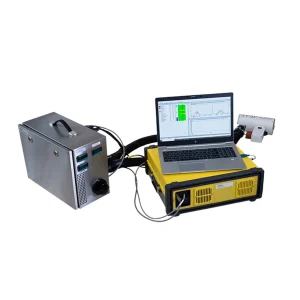
- FTIR Gas Analysers
- Gasmet DX-series (DX4000, DX4015) – Portable FTIR analysers for on-site stack testing, emissions monitoring, and industrial applications.
- Gasmet CX-series (CX4000) – Fixed FTIR systems for continuous emissions monitoring (CEMS).
- Gasmet CEMS II e – Fully integrated continuous emissions monitoring system compliant with strict regulatory standards.
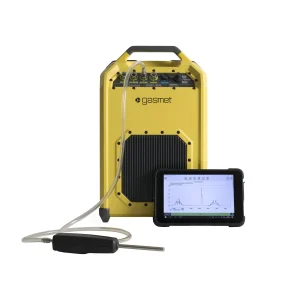
- Portable Gas Analysers
- Gasmet GT5000 Terra – Compact, lightweight, battery-powered multi-gas analyser for field measurements, emergency response, ambient air testing, and research applications.
- Photoacoustic Gas Monitors
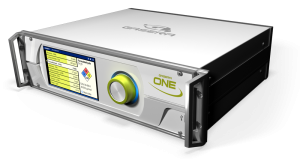
- Gasmet GASERA ONE series – Photoacoustic sensor technology designed for extremely low-level detection of specific gases (e.g., formaldehyde, NH₃, refrigerants, etc.).
- Photoacoustic Gas Monitors
- Gasmet GASERA ONE series – Photoacoustic sensor technology designed for extremely low-level detection of specific gases (e.g., formaldehyde, NH₃, refrigerants, etc.).
- Ambient Air Monitoring Systems
- Integrated FTIR-based systems for environmental and urban air quality monitoring.
Key Applications
- Environmental & Regulatory Compliance
- Continuous emissions monitoring (CEMS)
- Stack testing and combustion analysis
- Ambient air quality monitoring
- Greenhouse gas measurement (CO₂, CH₄, N₂O)
- Industrial Applications
- Process monitoring in chemical and petrochemical industries
- Waste incineration and thermal processes
- Engine and turbine emissions
- Biogas and landfill gas monitoring
- Health & Safety
- Indoor air quality testing
- Leak detection and emergency response
- Occupational exposure monitoring
- Research & Laboratories
- Gas analysis for scientific research
- Experimental combustion & materials studies
- Atmospheric and environmental research programs
Benefits
- Multi-Gas Capability
Simultaneous measurement of hundreds of gases with high accuracy—ideal for dynamic, complex gas environments.
- Real-Time Data
Fast, continuous measurements allow immediate decision-making, process optimization, and efficient reporting.
- High Sensitivity & Precision
FTIR and photoacoustic technology detect even low-concentration compounds, ensuring compliance with strict environmental standards.
- Rugged & Field-Ready
Portable analysers are designed for use in harsh industrial or outdoor environments.
- Low Operating Costs
Reusable sampling cells, minimal consumables, and automated calibration reduce long-term maintenance expenses.
- Regulatory Confidence
Systems are engineered to meet global environmental standards such as EU Industrial Emissions Directive and US EPA requirements.
- Easy Integration & User-Friendly Software
Intuitive software platforms allow non-experts to configure, operate, and interpret data quickly.
Linde
Linde is a global leader in industrial, medical, and specialty gases, as well as in engineering, procurement and construction.
Their gas-supply operations include everything from bulk gases (liquid or cylinder), on-site generation or pipelines, to high-purity specialty gases and custom mixtures — depending on the customer’s needs.
Specialty gases represent the high-precision end: high-purity gases, custom gas mixtures, and traceable supply/quality standards for applications requiring exact purity and composition.
Specialty Gases
Specialty gases refers to gases (or gas mixtures) that are:
- Ultra-pure — very high levels of purity (e.g. “5.0” = 99.999% purity, sometimes even higher)
- Precisely mixed — custom blends and mixtures, with components at concentrations ranging from percents down to parts per million (ppm), parts per billion (ppb), or even parts per trillion (ppt) depending on the application.
- Quality-certified & traceable — manufactured according to strict quality standards, with certificates of analysis (COA), metrological traceability, validated reference materials, and often produced in ISO-accredited labs.
- Supported by supply & equipment infrastructure — not just the gases themselves, but also regulators, cylinders/tanks, gas supply systems, and logistics to ensure safe, stable delivery in the required purity grade.
Types Linde Specialty Gases
The main categories / families of specialty (or high-purity) gases / gas services that Linde supplies:
High-Purity & Zero Gases
Pure gases (e.g. inert gases) with very high purity levels — used when contamination must be minimized
Custom Calibration & Analytical Gas Mixtures
Precisely mixed gas blends (binary or multi-component), for instrument calibration, analytical testing (e.g. gas chromatography, spectrometry), emissions monitoring, environmental analysis, quality control, etc
Electronics & Semiconductor Gases / Specialty Chemicals
Gases used in semiconductor manufacturing — deposition gases, etchants, dopants, etc. Examples include silane (SiH₄), disilane, trichlorosilane, WF₆, ammonia (NH₃), nitric oxide, and many more.
Industrial & Process Gases (special or industrial grade)
Gases for welding, cutting, metal fabrication; heat-treatment; glass, metal, chemical, and materials processing; inerting; etc.
Medical & Healthcare Gases
Specialty medical gases, gases for clinical labs and healthcare applications, delivered with required purity/quality controls
Bulk, Cylinder, Pipeline, On-site Supply Modes
Depending on volume needs: small cylinders, large tanks, ISO containers/trailers, or on-site generation/piped systems — allowing flexibility from small labs to large industrial plants
Packaged Gaseous Chemicals & Rare Gases
Beyond common gases — includes specialty chemicals in gaseous form, rare gases, refrigerants, other specialty blends for niche industrial or chemical processes.
Applications & Industries
Because of the breadth and precision of specialty gases, Linde’s products are used across many industries and applications:
- Electronics & Semiconductor Manufacturing — deposition, etching, doping, wafer processing, cleanroom gas supply.
- Laboratories, Research & Analysis — chromatography, mass-spectrometry, environmental testing, calibration of instruments, emissions monitoring, quality control.
- Metallurgy, Metal Fabrication & Welding — welding gases, cutting gases, shielding gases, heat-treatment, surface treatments.
- Industrial Manufacturing (Chemicals, Glass, Plastics, Materials) — processes requiring reactive gases or specialty chemicals, controlled atmospheres, inerting, gas-phase chemical treatment, etc.
- Healthcare & Medical Industry — supply of medical gases, high-purity gases for medical/clinical labs, pharmaceutical manufacturing, hospital gas supply.
- Food & Beverage, Packaging, Refrigeration & Cryogenics — gases for freezing, chilling, carbonation, inerting, modified atmospheres, and refrigeration applications.
- Environmental Monitoring & Emissions Testing — calibration gases and mixtures for emissions measurement, air quality monitoring, regulatory compliance.
- Energy, Clean-Fuel & Hydrogen Applications — supply of hydrogen, low-carbon intensity gases, support for decarbonization efforts, industrial energy processes.
Benefits of Linde Specialty Gases
- High purity & precision: Through their “HiQ®” standard — guaranteeing purity levels up to 99.999% (and sometimes higher), precise gas mixtures (even down to ppb/ppt levels), and tight quality control.
- Traceability & certification: Many of their gas-production sites are accredited (e.g. ISO 17025 labs), offer certificates of analysis (COA), certified reference materials — critical for labs, regulatory, and high-precision industrial applications.
- Flexibility in supply modes: From small cylinders up to bulk tankers, on-site generation or pipelines — they can serve small users (labs, clinics) to large industrial customers.
- Wide product range: From simple atmospheric gases to rare and specialty chemicals, electronics gases, medical gases, and custom mixtures — enabling one-stop sourcing for many needs.
- Industry and application breadth: Their gases support a broad spectrum of industries — electronics, healthcare, metallurgy, manufacturing, environmental testing, energy, food & beverage, and more.
- Engineering & gas-system expertise: Beyond gases themselves — Linde also provides gas supply systems, bulk storage, pipelines, blending systems, safety/handling support and logistical services to ensure safe and stable supply.
Honeywell MeshGuard
Honeywell MeshGuard is a battery-powered, wireless gas-detection system developed by RAE Systems (a subsidiary/brand of Honeywell).
MeshGuard is a modular, wireless “network of detectors” — each unit can detect toxic or flammable gases (or other environmental hazards, depending on the sensor). These detectors link together via a mesh-radio network (2.4 GHz, IEEE 802.15.4), forming a self-forming, self-healing wireless network.
Since the units are wireless and battery-powered (or optionally solar / external-battery powered), they can be quickly deployed or relocated, which makes them especially attractive for temporary installations or evolving field conditions.
They are built to withstand harsh and demanding environments: the detectors feature IP-65 weather resistance, splash guards, rugged housings (often stainless steel), and are intrinsically safe (suitable for hazardous atmospheres)
MeshGuard can operate stand-alone or as part of a larger network with controllers and software (e.g., via a controller kit or PC-based monitoring) — enabling real-time data collection, logging, and remote alerts.
Types of MeshGuard
The MeshGuard line is flexible — there are multiple variants depending on the type of gas or hazard being monitored. Here are some of the well-known types:
MeshGuard
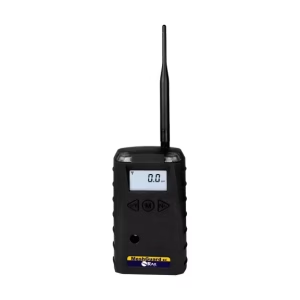
MeshGuard (base / general) – Basic wireless gas detector for toxic or combustible gases — core of the mesh network
MeshGuard S
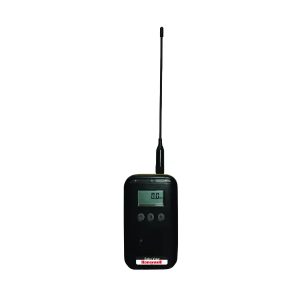
MeshGuard S – A version with stainless-steel housing, designed for rugged industrial environments, suitable for toxic and flammable gases.
MeshGuard LEL / MeshGuard LEL IR
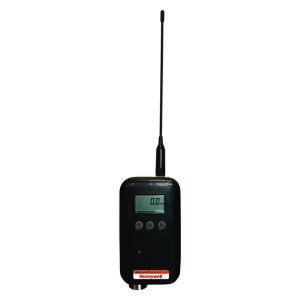
MeshGuard LEL / MeshGuard LEL IR
Specifically designed to monitor Lower Explosive Limit (LEL) i.e. flammable gas detection for combustible gases. Good for identifying explosive atmosphere risk
MeshGuard CO2 IR
Designed to monitor Carbon Dioxide (CO₂) levels (or gas concentration) — useful for environmental monitoring, remediation, and confined-space safety
Other sensor-type variants (toxic gases, oxygen, combustible, etc.)
Depending on the sensor fitted — MeshGuard can detect a variety of gas hazards (toxic, oxygen depletion, flammable gases) — with field-replaceable precision sensors
Because of the modular, wireless nature, you can mix-and-match sensors to match your site’s hazards and monitoring needs.
Applications
MeshGuard is widely used in industrial and hazardous environment settings. Typical applications include:
- Oil & Gas — drilling operations and production facilities: For continuous or temporary gas monitoring during drilling, production, maintenance or turnarounds.
- Plant maintenance turnarounds / shutdowns: During maintenance or outage periods when risk of leaks or hazardous gas release is higher, a rapid-deployment monitoring system helps ensure safety.
- Industrial safety (manufacturing, chemical plants, refineries, tank farms): For detection of toxic or combustible gases, oxygen depletion, etc. in industrial settings.
- Temporary area/perimeter monitoring: Because units are portable/wireless, they’re useful for temporary setups — e.g. around storage tanks, tank farms, shipyards, maritime zones, or temporary construction zones.
- Shipyards / maritime environments: The rugged, weather-resistant and intrinsically safe design makes MeshGuard suitable for hazardous marine environments.
- Environmental clean-ups, remediation, fracking, and fence-line monitoring (for certain variants such as CO₂ or flammable-gas detectors) — useful where environmental hazards or leaks may occur, and flexible, scalable monitoring is needed. More broadly — anytime you need rapid deployment, flexible / scalable, reliable gas detection without the need for hard-wired systems, and in potentially harsh, hazardous environments — MeshGuard is well suited.
Benefit of MeshGuard
- Rapid deployment / decommissioning — because it’s wireless and battery-powered (or solar/external battery), MeshGuard can be deployed quickly, ideal for temporary operations or changing site conditions.
- Cost-effective, high ROI — No need for extensive hard-wiring or infrastructure; lower installation and maintenance costs compared to fixed wired systems.
- Scalable and flexible — You can build a network of many detectors (tens or even hundreds), mix different sensor types (flammable gas, toxic gas, CO₂, etc.), and adapt as needs evolve.
- Reliable in harsh and hazardous environments — Weather-resistant (IP65), rugged construction, intrinsically safe, stainless-steel housing options — suitable for outdoor, marine, and industrial environments.
- Continuous monitoring with remote data & alarm functionality — Through network controllers / software, real-time readings and alarms can be sent to central monitoring, enabling fast response to gas leaks or hazardous conditions.
Teledyne Reference Shelter
A Teledyne Reference Shelter is a rugged, climate-controlled enclosure designed to house Teledyne gas analyzers, continuous emissions monitors (CEMS) and sample-conditioning equipment, delivering reliable, regulatory-grade gas measurements in outdoor or industrial environments.
A gas-detection (reference) shelter is a weatherproof, thermally-controlled cabinet, walk-in shelter, or trailer that protects sensitive gas analyzers and their sample conditioning systems from temperature extremes, dust, moisture and corrosive atmospheres. Shelters provide HVAC control, filtered ventilation or positive-pressure purging, instrument racks, cable management, power distribution, and ports for sample inlets and meteorological instruments — all necessary to keep analyzers performing within manufacturer tolerances and to meet regulatory monitoring protocols.
Common types
- Small Rack / Cabinet Enclosure
Compact IP-rated cabinet for 1–2 analyzers and basic sample conditioning — ideal for small ambient monitoring sites or indoor installations. - Insulated Walk-In Shelter
Thermally insulated, HVAC-controlled walk-in shelter sized for multiple analyzers, controllers and operator access — used in reference ambient stations and long-term CEMS houses. - Containerized / Trailer-Mounted Shelter
ISO-container or trailer solution for mobile campaigns, temporary monitoring, or remote deployments. Typically includes heavy-duty HVAC, generator or mains power integration and transport fittings. - Purge / Positive-Pressure Shelter
Shelters with purge systems and filtration to exclude corrosive gases, salt spray or dust (recommended for coastal, refinery, or highly corrosive industrial environments). - CEMS-Spec Continuous Emissions Shelter
Larger, regulation-oriented shelters configured to house extractive sampling trains, heated lines, dilution systems and multiple compliance analyzers for stack monitoring.
Key features
- Thermal control (HVAC) — maintains analyzer operating temperature and humidity for measurement stability.
- Filtered ventilation & purge options — particle and gas filtration with optional positive pressure to protect electronics and sensors from contamination.
- Instrument racks & sample conditioning — 19″ racks, slide rails, heated sample-line ports, coalescing filters, permeation dryers or dilution/extractive systems as required for the instrument suite.
- Power & communications — built-in distribution, generator/tie-in capability, UPS options and telemetry (Ethernet, serial/Modbus, cellular) for remote monitoring.
- Rugged weatherproof construction — insulated panels, sealed doors, tamper-resistant fittings and IP-rated housings for outdoor exposure.
- Mobile deployment options — trailer or containerized variants for emergency response, site surveys or temporary permit monitoring.
Typical applications
- Ambient Air Quality Monitoring (AAQMS / Reference Stations) — houses regulatory analyzers (NOx, SO₂, CO, O₃, PM instruments) for municipal and roadside networks.
- Continuous Emissions Monitoring (CEMS) — sheltering extractive or dilution CEMS analyzers, flow and sample trains for compliance at power plants, incinerators and industrial stacks.
- Industrial Site Safety & Fenceline Monitoring — protecting fixed gas detectors and analyzers used for plant safety, leak detection and perimeter monitoring.
- Mobile / Emergency Response Monitoring — rapid-deploy shelters for accident scenes, remediation sites, or construction/turnaround monitoring.
- Research & Reference Collocation — controlled shelters for instrument intercomparisons, calibrations and long-term studies.
Zephyr Systems
EarthSense offers different configurations of the Zephyr monitor — enabling flexible deployment depending on use case, environment, or budget. Key aspects include:
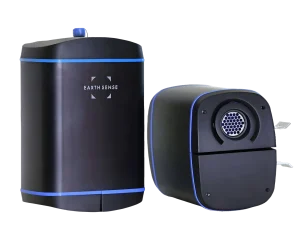
- Standard Zephyr® (original / flagship model) — the main “full” air quality monitor, capable of measuring a wide range of pollutants (gases + particulates), suitable for static or mobile installations.
Standard Zephyr®
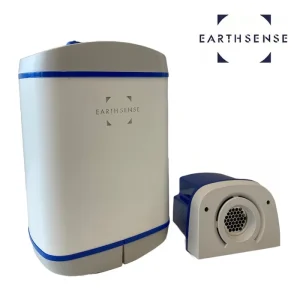
- New “White” Zephyr® — same core capabilities, but offered in a white-colour casing. The lighter colour helps performance in hotter climates (less heat absorption, better internal cooling), making it more reliable in warm environments.
New “White” Zephyr®
- EarthSense “Zephyr® Lite” — a lighter, more affordable option (often used by schools and institutions) measuring key pollutants such as particulate matter (PM2.5, PM10, etc.) to provide baseline air-quality readings.
EarthSense Zephyr® Lite

- Flexible sensor/cartridge configurations — Zephyr uses a replaceable cartridge system. Depending on the cartridge, the device can measure just particulate matter (PM1, PM2.5, PM10) or also gases (NO, NO₂, O₃, CO, SO₂, H₂S, VOCs, CO₂, etc.), plus weather parameters (temperature, humidity, pressure).
- Static or mobile deployment — Zephyr can be mounted on poles (e.g. street furniture, lamp posts) for continuous monitoring, or installed on vehicles/backpacks for mobile air-quality surveys across streets or areas.
Key Features
- Active sample intake — draws in air continuously for real-time, accurate ambient measurements.
- Replaceable pre-calibrated cartridges — reduces downtime and simplifies maintenance; cartridges are swapped out in the field as needed.
- Robust construction — extruded aluminium housing + polycarbonate/ABS build, suitable for outdoor deployment; tested for a wide ambient temperature/humidity range.
- Flexible power options — mains power, solar power, or internal battery (with battery backup) — enabling deployment even in remote or off-grid locations.
- Data accessibility & integration — measured data is transmitted (via GSM or WiFi depending on setup) to the online software platform MyAir®, where users can view, analyse, download data, and integrate via API (JSON/CSV) for external systems.
- Advanced analysis in software — MyAir supports source-apportionment (to help identify pollution sources), short-term forecasting (e.g. 3-day pollution forecasts), overlays with modelled data (via MappAir®), alerting, and contextual maps of pollution across areas.
Applications: Where Zephyr Makes a Difference
Here are typical use cases for Zephyr monitors — from local to city-wide deployment, from institutional to public health / policy levels:
- Urban air-quality networks and smart-city monitoring — deploy many Zephyr monitors across a city to map pollution hotspots (busy junctions, traffic corridors, industrial zones), track pollution trends over time, and support urban planning.
- Fenceline / construction dust monitoring — in civil works, construction, or development sites where dust emissions and particulate matter need to be tracked closely.
- Traffic pollution monitoring & integration with traffic management — with mobile deployment (on vehicles) or static roadside deployments, Zephyr supports traffic planners, municipalities and public-health policymakers to understand transport-related pollution.
- Environmental health monitoring near sensitive zones — around schools, hospitals, residential areas, parks, industrial zones — to assess air-quality exposure risks for residents or populations.
- Research & policy support in developing / low-resource areas — Zephyr has been deployed in places where there are no existing reference monitoring stations, providing crucial baseline air-quality data to guide public health and environmental policy.
- Public awareness, community health, and environmental justice initiatives — by providing transparent, real-time air quality data, communities, NGOs, governments can make informed decisions, advocate for cleaner air, and raise public awareness.
Benefits to Schools and Society
Using Zephyr (or Zephyr Lite) at educational institutions and community areas carries several important benefits:
- Protect children’s health — children are especially vulnerable to air pollution; real-time data helps schools identify poor-air episodes and take action (e.g. adjust outdoor activity, inform parents) to reduce exposure.
- Evidence-based decision-making — with concrete data, school administrators or local authorities can plan long-term environmental strategies (e.g., green zones, traffic rerouting, planting trees, improving ventilation).
- Raise awareness & educate students/community — using real data as teaching or advocacy tools helps students understand air pollution, its causes and effects, and can motivate behavior change (walking, cycling, reducing emissions).
- Support public health and policy — aggregated data across neighbourhoods or cities can inform environmental health policies, urban planning, and sustainable development — improving air quality for entire communities.
- Cost-effective and flexible deployment — especially with Zephyr Lite or mobile/static options, even smaller institutions or municipalities can implement air-quality monitoring without the high cost of full-scale reference stations.
- Transparency and public trust — when data is accessible (via MyAir®) and shareable, communities are empowered with information — aiding environmental justice, citizen science and public health initiatives.
Zephyr (and Zephyr Lite) delivers a powerful mix of accuracy, flexibility, ease of deployment, and real-time data access that makes it well suited not only for regulatory / municipal air-quality monitoring — but also for schools, communities, and public-health efforts.
By combining hardware (air-quality sensors), software (MyAir® + MappAir®), and data services (cartridge calibration, maintenance, remote data access), it offers a complete turnkey solution — which can be deployed in cities, schools, construction sites, industrial zones, or mobile surveys.
Intoximeter
Intoximeters – Trusted Breath Alcohol Testing Solutions
Intoximeters is a global leader in breath alcohol testing technology, trusted by law enforcement, workplaces, medical professionals, and regulatory agencies worldwide. Known for accuracy, reliability, and evidential-grade performance, Intoximeters instruments support alcohol screening, direct measurement, and legally defensible testing across a wide range of applications.
From simple screening devices to fully integrated evidential systems, Intoximeters solutions are designed to deliver fast, consistent, and court-accepted results wherever alcohol testing is required.
Intoximeters Product Range
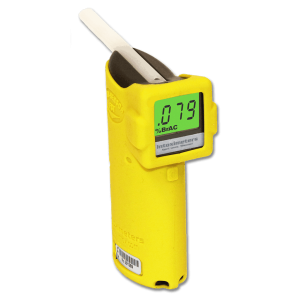
Alco-Sensor FST
The Alco-Sensor FST is a compact, entry-level breath alcohol screener ideal for rapid field testing.
- Basic screening device with interchangeable units of measure
- Can also be used as a direct measurement device
- Simple operation with fast response times
- Ideal for preliminary screening in workplace and roadside environments
Alco-Sensor FST
Alco-Sensor VXL
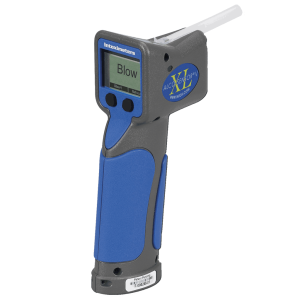
The Alco-Sensor VXL is a versatile, professional-grade instrument supporting both screening and confirmatory testing.
- Functions as a screener and direct measurement device
- High accuracy and repeatable performance
- Suitable for law enforcement, workplaces, and safety-sensitive industries
- Portable and reliable for daily field use
Alco-Sensor VXL
Alco-Sensor VXL with Printer
Designed for environments requiring documented results.
- Screening and direct measurement capability
- Integrated printer for immediate result printouts
- Supports record keeping and evidential documentation
- Ideal for compliance-driven organizations
Alco-Sensor VXL POA Kit
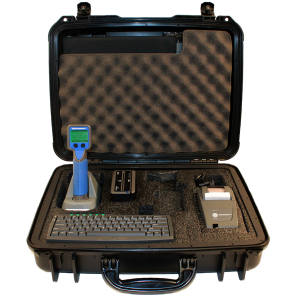
The Alco-Sensor VXL Proof of Alcohol (POA) Kit is a complete solution developed for law enforcement use.
- Recently introduced to the Trinidad and Tobago Police Service (TTPS)
- Designed for screening, direct measurement, and evidential testing
- Complete kit includes:
- Printer
- Keyboard
- Docking station
- Hard carry case
- Built for reliable roadside and station-based enforcement
Alco-Sensor RBT VXL
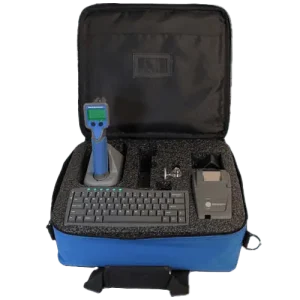
The Alco-Sensor RBT VXL is ideal for medical providers and organizations requiring evidential-level testing.
- Supports screening, direct measurement, and evidential testing
- Widely used in medical and regulated workplace environments
- Supplied with:
- Printer
- Keyboard
- Docking station
- Soft carry case
- Combines portability with advanced documentation capability
Available Accessories & Support Services
To ensure accuracy, compliance, and long-term reliability, a full range of accessories and support services are available:
Accessories
- Calibration gases – certified gases for accurate calibration and performance verification
- Disposable mouthpieces – hygienic, single-use mouthpieces for safe testing
Training
- Operator training available for law enforcement, workplace, and medical users
- Covers correct device operation, testing procedures, calibration awareness, and best practices
- Help ensure consistent results, legal defensibility, and regulatory compliance
Applications
Intoximeters instruments are used across a wide range of sectors:
- Law enforcement & roadside testing
- Workplace alcohol screening
- Medical and clinical testing
- Transportation and logistics
- Safety-sensitive industries
- Compliance monitoring and evidential testing
Why Choose Intoximeters?
- Proven accuracy and reliability
- Evidential-grade results when required
- Flexible solutions from basic screening to full legal documentation
- Trusted globally by police, employers, and healthcare providers
- Backed by accessories, calibration support, and training
Environmental
IRP Fire and Safety Limited is the regional agent for a wide range of environmental products that are designed to keep our ecosystem clean. We represent NPS Corp. (Absorbents), UltraTech International Inc. (Secondary Containment & Stormwater Management), The ARK Enterprises (Peat Moss Particulate) and Elastec (Oil Spill Response).
ELASTEC
BEACH BOUNCER BOOM (Sargassum Seaweed Control)
Beach Bouncer is a seaweed control barrier that consists of a heavy-duty coated mesh fabric skirt supported by a flotation encased in vinyl coated fabric. It features a stainless-steel load carrying cable above & below the flotation and a heavy galvanized chain ballast at the bottom of the skirt. This boom can work for all sea vegetation growth and is the main sea guard against Sargassum Seaweed.
The Beach Bouncer Boom is a heavy-duty polyvinyl chloride (PVC) floating barrier with 3 ft. / 0.9 m mesh skirt hanging from a 12 in. / 0.3 m float. This boom is usually used in deflection mode to keep the Sargassum Seaweed and other types of floating debris off beaches and at sea so it can be carried away with the current.
ELASTEC
PACS1000 VACUUM TRAILER
PACS (Portable Air Conveyance System) is ideal for picking up viscous oil and debris on land or from water surfaces. It is also very effective for beach cleaning operations that require long suction hoses and large solids handling abilities. PACS 1000 is designed for removing liquids, solids, and sludge from land or water, it is suitable for use in remote areas and costs less than vacuum trucks.
- Designed for removing liquids, solids & sludge.
- Trailer mounted unit, DOT approved for highway towing.
- Trailer lights
- Reflectors
- Safety chains & hooks
- Less costly, more portable than vacuum trucks.
- Easy operation (user friendly controls located in easy-access locations) & low maintenance.
- Choice of vacuum pumps or blowers. (230 to 770 cfm). Air or water cooled.
- Engine options up to 48 hp.
Common Areas of Usage
- Mines • Tank Cleaning (non-hazardous) • Road Spills (ATEX unit) • Power Stations • Loading bays • Hydro-excavation • Remediation • Oil Spill Response
- General Cleaning • Utility • Airports • Railroads • Animal Farms
ELASTEC
MEDIBURN INCINERATOR
Mediburn is a batch load, direct fire, mobile incinerator for a variety of applications, including medical waste. The unit is one of the lightest in its class , facilitating deployment for virus outbreaks and disaster relief operations. It does not use cast concrete, but a layer of fire bricks that can be easily replaced in the field as needed. Primarily running on diesel, the Mediburn can also be fuelled by heating oil or JP8. It is available in two sizes depending on the volume of waste to be handled. The modulating under air burners ensure consistent high temperatures needed to destroy infectious waste, whilst retaining the flue gas for sterilisation. Load waste into the chamber, close the door and turn on the unit. Minimal training is required, and MediBurn is ready to use upon delivery.
APPLICATION
Small Hospitals • Community Clinics • Poultry Farms • Dialysis Clinics • Blood Banks • Physicians’ Offices • Dental Offices • Centres for Disease Control
- Acute Psychiatric Facilities • Outpatient Surgical Facilities • Health Maintenance Organisations • Home Health Agencies • Hospice Agencies
- Animal Cremation • Disaster Relief Operations • Pharmacies • Police Departments •Laboratories • Military Bases • Veterinary Clinics • Airports
ULTRATECH
ULTRA-AQUA BAG
Sandless sandbags protect property against floods, leaks, and other liquid emergencies
For many years, the sandbag has been the predominant method of controlling floodwaters and preventing water damage. But sandbags are labour intensive and require large amounts of aggregate—something that is not always easy to come by, especially in an emergency.
The Ultra-Aqua Bag is a revolutionary sandless sandbag that can be used to build an effective water barrier to protect property against floods, water heater leaks, broken pipes, overflowing toilets, and other liquid emergencies.
Key Features:
- Sturdy construction – Hydrophilic, non-woven fabric covers four layers of patented super-absorbent polymer.
- Quick acting – In minutes, these sandless sandbags absorb water to 90% capacity, preventing floods and leakage from causing damage to surrounding property.
- Easy to use and transport – pre-activated, Ultra-Aqua Bag sandless sandbags weigh less than a pound each and measure 17”x 22” when dry.
- Superior water barrier/flood barrier – at full absorption Ultra-Aqua Bags provide between 30 to 40 pounds of flood stopping weight.
- Engineered consistency – designed and built to maintain a consistent shape throughout the Bag. Other bags tend to slump to the bottom end when picked up, will not stack as well and are not as effective at sealing off water.
Sandless sandbags protect property against floods, leaks, and other liquid emergencies
For many years, the sandbag has been the predominant method of controlling floodwaters and preventing water damage. But sandbags are labour intensive and require large amounts of aggregate—something that is not always easy to come by, especially in an emergency.
The Ultra-Aqua Bag is a revolutionary sandless sandbag that can be used to build an effective water barrier to protect property against floods, water heater leaks, broken pipes, overflowing toilets, and other liquid emergencies.
Fire Protection – Plant and Jetty operations
AKRON Conquest Electric Brass Remote-Control 2000 GPM Monitor P/N 3678 with various Nozzle options depending on the GPM (LPM) requirements, Water only or Water & Foam
WILLIAMS FIRE & HAZARD CONTROL High Volume Electric Actuated Remote-Control 4000 and 6000 GPM Monitors with various Ranger Nozzle options 1,500 – 4,000 GPM (5,678 – 15,142 Lpm) and 2,500 – 6,000 GPM (9,464 – 22,712 Lpm), respectively, with maximum working pressure is 200 psi (13.8 bars).
AKRON Genisis Hydraulic Brass Remote-Control 1000 GPM Monitor P/N 3678 with various Nozzle options depending on the GPM (LPM) requirements, Water only or Water & Foam
Mitigation (Knock Down) Systems – For Toxic Gases and LNG
AKRON Conquest Electric Brass Remote-Control 2000 GPM Monitor P/N 3678 with various Nozzle options depending on the GPM (LPM) requirements
Fire Protection – Mobile Solutions
AKRON Severe-Duty Stainless Steel monitor and logic box 750 GPM rated P/N 3491 with various Nozzle options depending on the GPM (LPM) requirements. Designed to meet water and or foam needs. Available in Electric 12- or 24-Volt or Hydraulic configurations
AKRON FireFox Electric Truck Mounted Monitor – 12V – Monitor, Logic Box, Low Flow Nozzle with flows upto 500 GPM. Designed to meet water, foam, CAFS and dry chemical needs.
FALL PROTECTION
IRP Fire and Safety’s Malta Dynamics Mobile Grabber is available to rent or purchase. The unit suits multiple industries where working at heights or confined space entry is required. Unit can be rented short term or long term depending on the job scope. It brings safety to workers at heights with constant connection to an energy absorbing SRL and together with a full body harness forms a complete fall protection solution. The Grabber is equipped with a confined space retrieval and rescue kit for applications where a rescue plan must be in place. The Grabber offers a safe, efficient, and sustainable solution to all workers at heights or confined spaced entrants in all industries across Trinidad.
Features Include
- 3 Anchor Points – Designed for 3 persons to connect at one time.
- Mobile Grabber Go! – Wireless and independent mobility, allowing the Grabber to be positioned without the need for a vehicle.
- Grabber Grounding Lug – Offers two standardized studs for sites requiring electrical grounding.
- X Series Confined Space Unit – Confined Space Rescue/Retrieval kit. OSHA required rescue/retrieval options for confined spaces. Each Razorback Rescue/Retrieval unit not only provides fall protection but also allows an attendant to rescue a worker in need by raising or lowering (bi-directional winching capabilities) them to a safe level.
- X Series Emergency Pump – In the instance where the raised hydraulic boom fails, the system will stay erected due to its fail-safe feature. Once persons are lowered and disconnected the emergency pump option allows you to manually bring the boom down for transport.
- Marine grade paint quality and electrical ports
Fire Protection
Foam Systems
Foam systems are used in many applications to suppression fires from combustible and flammable liquids. These include Tank Farm Facilities, Fuel Transfer Pumps, Hydrocarbon spill containment, Lube Oil Packages, etc. These systems are widely used in Tank Farms where hydrocarbons such as crude, diesel, gasoline, fuel oil and methanol are stored. Foam systems create a finished foam solution which breaks the hydrocarbon surface tension resulting in the blanketing the hydrocarbon liquid thus suppressing a fire. Finished foam is a solution of foam concentrate and water which is aspirated as it is discharged from an approved discharging device. These foam systems are design and comply to the NFPA 11 and NFPA 16 which typically includes:
- Bladder tank is a pressure-rated tank with an internal elastomeric bladder for foam concentrate storage. Upon system actuation, the incoming water pressure inside the tank squeezes the outside of the bladder causing the foam concentrate to be discharged out of the tank to a proportioning device. The Chemguard bladder tanks can be configured as horizontal which can hold up to a storage capacity of 3000 gallons of foam concentrate of vertical which holds up to 2000 gallons. All Chemguard bladder tanks are UL Listed and FM Approved for use with various Chemguard proportioners and foam concentrates.
2. The Proportioning device is a component that accurately and dependably proportion foam and water in a variety of applications to the proportion design mixture percentages. They are many different models of proportioners, and the best suited model will be selected based on Listing, system pressure, type of foam used and the system flow demand.
Discharge device which can be a foam chamber/pourer or a spray nozzle that releases finished foam. Finished foam is combination of foam concentrate, water and air that have mixed in the proper proportions. For Fixed Cone Roof Tanks, Foam Chambers are widely used as the approved discharging device.
The Chemguard Foam Chamber Model CGFC consists of a foam expansion chamber and an integral foam maker with a stainless-steel screened air inlet. Each chamber includes an orifice plate, two inlet gaskets, vapor seal assembly, cover gasket, and an outlet gasket. The required deflector (split or shallow) and optional mounting pad assembly are sold separately
For Tanks which have a floating roof with annular seal area, the Chemguard CGFLR Model Rim Seal Foam Pourer is used as the approved discharging device. or when protection a Dike Containment, Foam Makers (sometimes referred to as pourers) are used as the approved discharging device for the application. The rim seal foam pourer is designed to discharge fully aspirated foam directly to the annular seal area of the open top floating roof storage tanks for fire or vapor suppression. Fully aspirated foam provides the most effective performance for all types of foam concentrates.
The Chemguard CGFLR and CGFM Foam Makers are used for Floating Roof and Dike Containment Applications. The CHEMGUARD floating roof foam maker is constructed of stainless-steel components for corrosion-resistance.
A screened air inlet, conforming to the cylindrical body, allows uniform air distribution into the foam solution stream to generate expanded foam. This design also helps prevent damage and inhibits the entrance of foreign materials.
CHEMGUARD Floating Roof Foam Makers (CGFLR) are air-aspirating foam discharge devices that are designed to protect floating roof, flammable liquid storage tanks. Specifically, the protected storage tanks must be of open-top construction with either double-deck or pontoon-type floating roofs. This type of construction eliminates the need for a vapor seal, allowing the use of foam makers rather than foam chambers. Additional applications include protection of diked flammable liquid storage and spill areas.
Chemguard CGFLR and CGFM Foam Makers
Spray Nozzle Discharging devices discharge the water-foam solution and allows it to become aspirated to achieve a good quality finished foam. These devices are used in applications such as the protection of fuel and crude oil transfer pumps, generator skids, lube oil packages, etc.
Fire Pumps
Firewater Pump Packages
A firewater pump (FWP) is a part of a fire protection system is which they is a need to create and move water from a stored. The water source can be from a city main, reservoir, water storage tank or pond. The firewater pump will create the necessary pressure and flow required by the design demand of the fire protection system. Firewater Pumps are tested and Listed or Approved by UL or FM Global. The firewater water pump packages are built and tested in accordance to NFPA 20 – Standard for the Installation of Stationary Fire Pumps for Fire Protection.
NFPA 20, Edition 2019, Chapter 3, Section 3.2.3 defines “Listed” as – “Equipment, materials or services included in a list published by an organization that is acceptable to the authority having jurisdiction and concerned with evaluation of products or services, that maintains periodic inspection of production of listed equipment or materials or periodic evaluation of services, and whose listing states that either the equipment, material or service meets appropriate designated standards or has been tested and found suitable for a specific purpose.”
Fire pumps are different from potable pumps as, they are rigorously tested by both U.L. and F.M. for reliability and long life through analysis of their design and construction. Casing integrity, for example, must be suitable to withstand a hydrostatic test of three times the maximum operating pressure without bursting! Engineering calculations for bearing life, bolt stress, shaft deflection, and shear stress must also be submitted to U.L. and F.M. and must fall within conservative limits to ensure utmost reliability.
A NFPA Firewater Pump Package includes not only the pump, but the pump controller, pump drive (such as a diesel engine or electrical motor), suction and discharge manifolds, pump flow test manifold, etc. The typical configurations for firewater pumps are Horizontal Split Case (HSC) and Vertical Turbine Pump (VTP). Horizontal Split Case pumps are typically used when the suction side of the pump will receive a positive water pressure such as coming from an aboveground stored water tank or the city mains. VTPs are used when the suction side has no incoming positive pressure thus the pump must create the lift of water. VTPs are typically used on offshore Oil & Gas Facilities as well as for applications where the water source is underground.
Emergency Response Pump Packages
In the event of an Emergency where the facility firewater pump (FWP) has failed or is insufficient to provide enough water to extinguish the Fire, IRP offers a range of Mobile Fire Water High Volume Pumps. In conjunction with our suppliers we can calculate the size of the pump based upon your requirements and the distance away from the water source. Many times it is not just the pump capacity that is important, but the discharge hoses and monitor delivering the water, and those correct sizes can be offered to ensure the correct amount of water and/or foam onto the fire.
WILLIAMS FIRE DPAT PUMPS – The DependaPower Firewater Pumps are EPA Tier 3 or Tier 4 diesel-driven horizontal split case (or overhung axial split case for the 1500 model) centrifugal pumping systems designed to pump large volumes of water, 1500 to 6000 GPM, in emergency response operations. They are workhorse pumps capable of drafting water as well as boost water pressure.
DARLEY PUMPS – Darley skid and trailer-mounted pumps offer versatile pumping protection ranging from a basic pump end through a fully engineered turnkey system. A wide variety of pump and engine combinations are available. Though all units come standard with an engine control panel with throttle making the unit operable, Darley can provide units with custom pump control panels, including traditional master gauges and relief valve or with Darley ergonomic AutoControl™ Governor.

TALCO FIRE SYSTEMS has been building premium quality fire pump systems for over 30 years. Specializing in both residential and commercial packaged fire pump systems, we design & custom build packaged units to fit any application. Our packaged systems will save you time, money, and headaches. We pull it all together, you drop it in place. Whether you need a residential fire pump and tank for your home or a 5000 GPM diesel driven fire system for a multi-warehouse complex – Talco has you covered.
IRP is the Agent & Distributor for Emergency ONE (UK) high-quality, state of art trucks designed specifically for the Caribbean markets and industries. We take pride in configuring the trucks to your requirements.

Emergency One is a fire engine manufacturer based in the UK, supplying innovative, custom-built fire and rescue vehicles to services worldwide. Our commitment to tailoring each Fire Appliance to individual needs ensures a bespoke and first-class experience for our customers.
Airport ARFF Trucks
Fire Service Trucks
Emergency ONE (UK) offers right-hand drive & left-hand drive trucks for all countries in the CARICOM region. Different configurations are offered for tenders, tankers, hazmat and rescue trucks.
Emergency ONE (UK) offers rapid intervention quick attack vehicles for commercial complexes/warehousing, gated communities, and facilities that require protection whilst waiting on the fire services responders.
Industrial Fire Service Trucks
Emergency ONE (UK) offers right-hand and left-hand drive trucks for petrochemical, oil & gas facilities throughout the CARICOM region. Different configurations are offered for water & foam tenders, tankers, hazmat and rescue trucks.
HVAC Control System
HVAC & Damper Control System
Description: NFPA 72 requires connection between fire alarm systems and HVAC systems for the purpose of control to shutdown air handler units, smoke dampers, fire dampers and exhaust fans in the event of a fire condition. This is to prevent the migration of hot toxic smoke into other areas within a building. It also allows for air tightness of rooms which are protected by Fire Suppression Systems meeting NFPA 2001 requirements.
In the absence of Building Management Systems (BMS) to execute these controls, IRP offers PLC based HVAC & Damper control systems for these applications to satisfy the NFPA requirements for Fire Detection and Suppression/Extinguishment.
Applications include small – large commercial buildings, substations and industrial control rooms which are custom built to meet all client requirements. In addition to providing manual operation, our custom-built HVAC & Damper control panels are designed to prioritize decisions logically depending on the complexity of various air system components interconnected including fail safe operation.
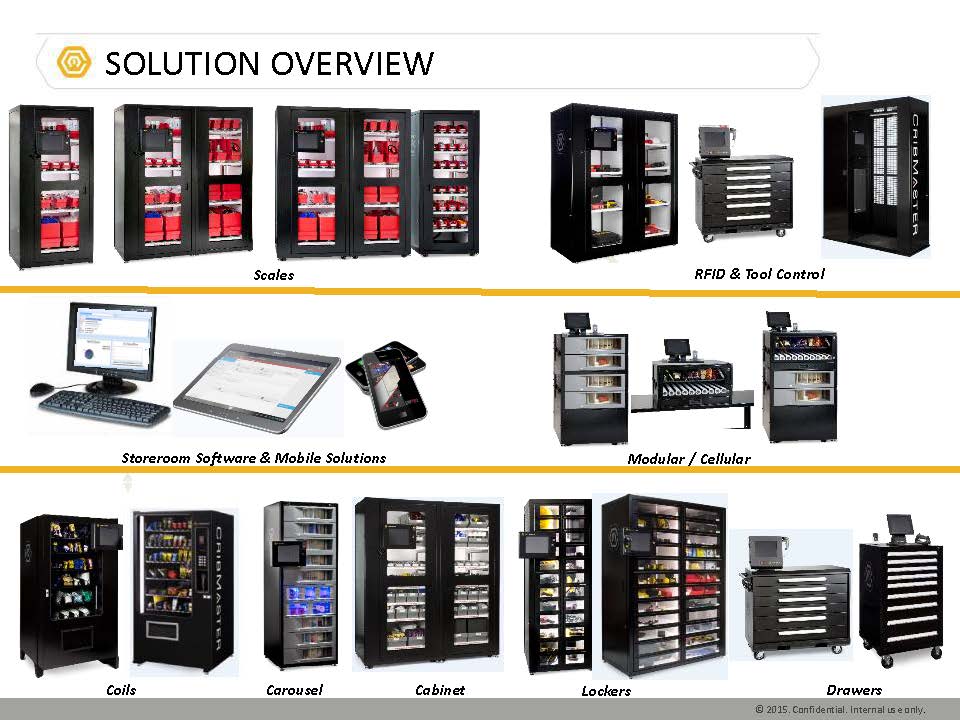
IRP Fire & Safety Ltd. have partnered with CribMaster to bring convenient Inventory Management Solutions to our customers
CribMaster, a Stanley Black & Decker Company, has developed an innovative Vending Solution line backed by advanced technology and user-friendly software
It addresses a diverse range of Inventory Management needs, from low value high, turn-over consumables to high value, operations critical materials
See options available below and contact us for details!
IRP Represents Dunlop Oil & Marine and many other reputable suppliers of equipment for the offshore loading of large Oil tankers destined for important markets all over the world.
- Applications:
- Single Point Mooring (SPM) / Conventional Buoy Mooring (CBM)
Description: SPM is a floating buoy/jetty anchored offshore to allow handling of liquid cargo such as petroleum products for taker ships. SPM is mainly used in areas were a dedicated facility for loading or unloading liquid cargo is unavailable.
Floating and Submarine Hoses
- Description: Our Hose manufacturer Contitech oil produces a comprehensive range of hoses for OCIMF applications and we have an unrivalled supply worldwide:
- Single-carcass floating hose Selflote (field proven for over 40 years)
- Double carcass anti-pollution floating hose Seflote (field proven over 35 years)
- Double carcass anti-pollution submarine hoses Safgard (field proven over 25 years)
Hoses can be supplied for a variety of mooring systems, including, and not limited to CALM, SALM, CBM, Catenary and Reeling applications.
Dock Hoses ContiTech Oil & Gas manufacture a complete range of dock loading hose for ship-to-shore applications, fully complying with recognized international standards.The ContiTech Oil & Gas range of dock hoses includes:
- Suction and discharge hoses for crude and refined oil products and petrochemicals with built in fittings fully complying with BS:EN1765:2004
- Lifeline long length delivery, suction, and discharge hoses for use with swaged or clamped couplings
- LPG transfer hoses fully complying with BS:EN1762:2003
- Suction and discharge hoses with high chemical resistance
- Bitumen, hot tar and asphalt hoses fully complying with BS:EN13482:2001
- Heavy duty submarine suction and delivery hoses
- Mooring Hawser
Offspring International uses premium quality yarns of multifilament nylon, HT polyester and blended fibers for manufacturing Mooring Hawsers all following the OCIMF recommendations.
- Mooring Support Buoys / Chain Through Support Buoys
All Floatex cylindrical, supporting, and mooring buoys are designed to withstand the severe operational conditions associated with offshore operations. To achieve these characteristics the inner buoyancy core is realized applying spiral bending sheets of expanded cross-linked polyethylene. The full closed-cell expanded polyethylene used, guarantees the unsinkability o the buoy, also in case o accidental serious damages occurred during operations. The skin also provides the necessary resistance to abrasion and ultra-violet rays.
- Pick Up and Messenger Ropes
Offspring International supplies floating pick-up and messenger ropes for connection to the ship end of the chafe chain. Lankhorst Ropes’ Tipto® 8-strand rope is typically 120 – 180 metres long, and 24 – 80 mm in diameter, complete with an eye at each end. It exhibits high strength, excellent abrasion resistance and energy absorption, ensuring long service life.
- Flexible, easy to handle and splice
• Specific gravity 0.93
• Fully UV stabilized
• Available in high visibility yellow
• Excellent abrasion resistance and strength
• Wet strength equal to dry strength
• Permanent flotation in water
- Marine Butterfly Valves
The standard Dunlop butterfly valve is a wafer type, used at the end of a hose string to provide tight shut-in of product between tanker loadings.
Supply options include:
- Flange valve
- Fully lugged valve
- Handwheel/gearbox actuator
- Viton rubber Lining
- Stainless Steel Disc and/or Shaft
- Low Temperature Service
- Marine Break Away Couplings (MBC)
MBC provides an identifiable safety fuse in offshore fluid transfer systems. This coupling is designed to shut off product flow with automatic activation when the hose string has an unacceptable surge of flow or an undue tensile load on the hose string.
- Ancillary Equipment
- Chafe Chain
- Shackles
- Hang-off Chain
- Pick Up / Snubbing Chains
- Anodes
- Hose Beacons / Winker Lights
- Lifting Flange Spool Piece
- Light Weight Blind Flanges
- PTFE Bolts
- Gaskets
- Camlock Fittings